The Binet history hub
Where the test came from, how it changed, and why a French psychologist’s quiet hope for children turned into the most consequential cognitive instrument of the twentieth century.

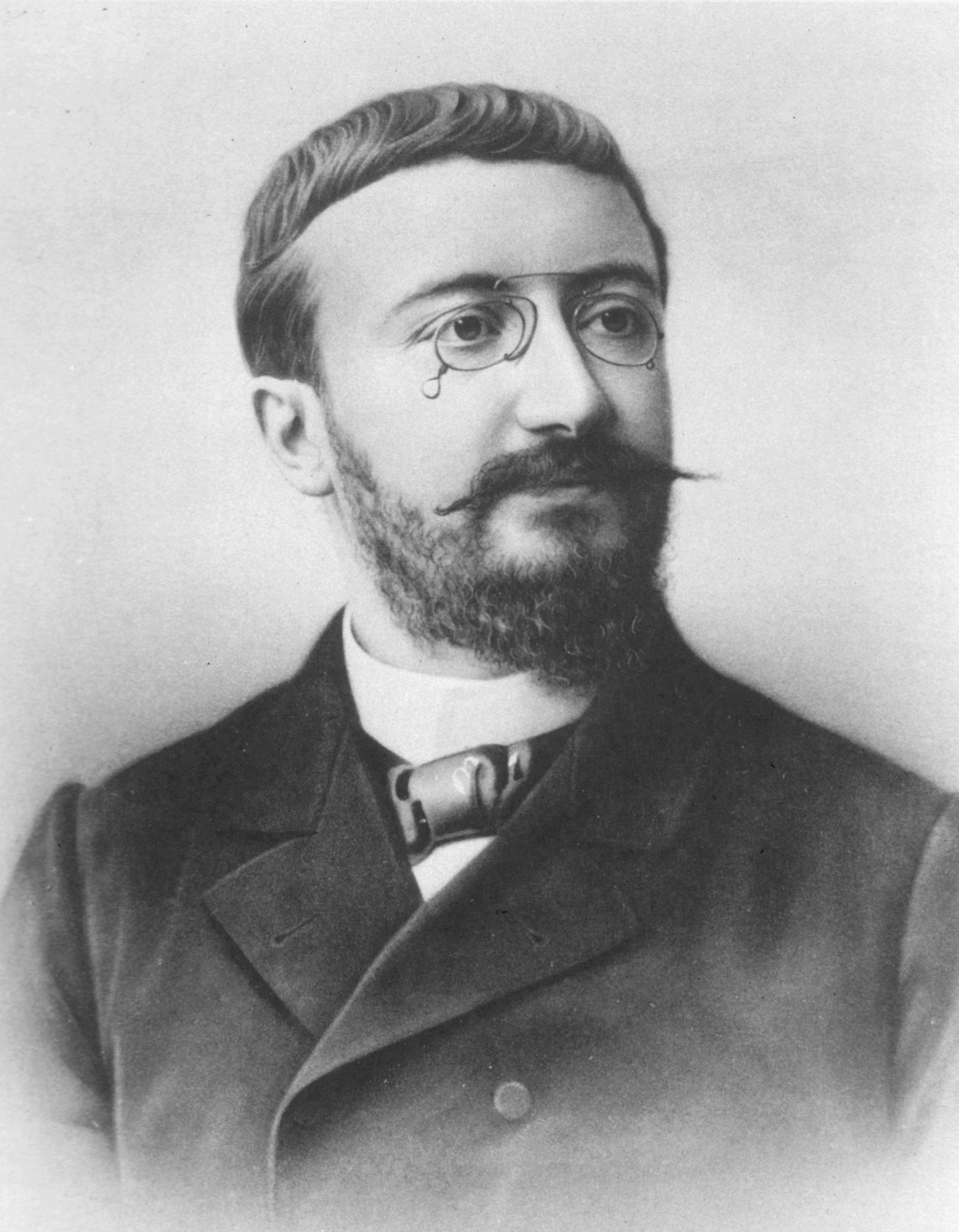
THE BEGINNING
1904
Alfred Binet develops the first practical intelligence scale in Paris, laying the foundation for modern IQ testing.
1916
VERSION 1
SIMON-BINET SCALE
The first official version developed by Alfred Binet and Théodore Simon. A major step forward in measuring intelligence systematically.
1937
SB2
STANFORD UNIVERSITY

The second revision introduces significant improvements in reliability and norming based on extensive research at Stanford University.
1960
SB3
STANFORD UNIVERSITY
The third edition enhances measurement precision and expands age range coverage with stronger validity and standardization.
1986
SB4
STANFORD UNIVERSITY
The fourth edition reflects advances in cognitive theory and assessment, offering a more comprehensive understanding of ability.
2003
SB5
HARVARD UNIVERSITY

The fifth edition, developed at Harvard University, represents the most advanced research and the evolution of a century of scientific excellence.

THE WORLD'S MOST
ACCREDITED IQ TEST
The Stanford-Binet Scale continues to set the global standard in intelligence assessment, trusted by professionals worldwide to unlock human potential and shape a brighter future.
ROOTED IN SCIENCE
Built on a century of rigorous research and innovation.
CONTINUOUS EVOLUTION
Each edition reflects our commitment to progress, accuracy, and fairness.
GLOBAL IMPACT
Used in clinical, educational, and organizational settings around the world.
UNMATCHED TRUST
A legacy of excellence that professionals rely on generation after generation.
ONE VISION. ONE LEGACY. A CENTURY OF UNDERSTANDING HUMAN POTENTIAL.
Alfred Binet did not invent the IQ. He invented a scale to identify children who needed educational support — and built it with his collaborator Théodore Simon, whose name was almost erased from the history. The pages below trace what they actually did, what they actually believed, and how the work survived.
Alfred Binet
The man who built the first practical intelligence test.
Read →BiographyThéodore Simon
The forgotten co-author of the original 1905 scale.
Read →Primary sourcesBinet’s writings
Selected verbatim passages with original sources.
Read →MethodMental orthopedics
The exercises Binet designed to raise measured intelligence.
Read →“We must protest and react against this brutal pessimism; we will try to demonstrate that it is founded on nothing.”— Alfred Binet, Modern Ideas About Children, 1909
 Secure checkout


