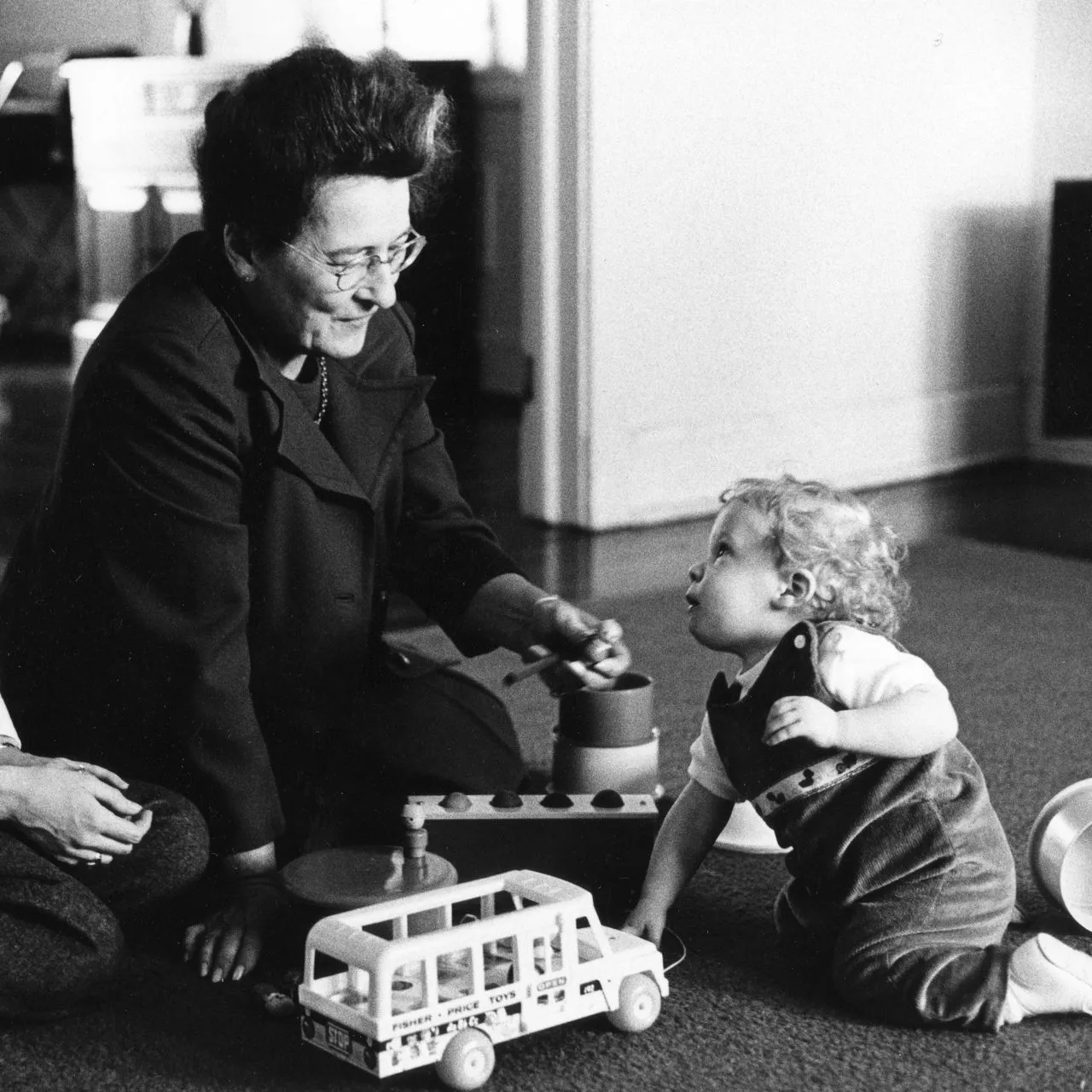
Most parents who consider an IQ test for their child are responding to a specific situation: a teacher has raised a question, the child seems unusually advanced in some way, or the family wants a clearer picture of how their child thinks. The Stanford-Binet was originally built for exactly this question — and the five-factor profile is what makes it useful, far more than the single summary number.
When testing makes sense
- You want a clear picture of your child’s cognitive profile. Where are they strong? Where do they have room to grow? The factor breakdown — Innate Intelligence, knowledge, logical-mathemtical intelligence, visual-spatial, working memory — is far more useful than the summary IQ number.
- You and your child are curious. Older children often want to know how they think. Treat the result as one piece of information about their thinking — not their identity.
- You want to track change over time. A baseline at age 12 and a retest at 14 is the kind of comparison that genuinely informs how to support a child’s learning.
When testing does not make sense
- If your child is under six. Scores under six are noisy and rarely worth acting on outside of a clear developmental concern.
- If you are looking for reassurance. Pick any specific worry and address it directly; a number rarely calms an anxious parent.
- If you want to share the result publicly or use it to motivate the child. This is the use case Alfred Binet himself most strongly argued against.
Best age range for the online test
The Stanford-Binet Online is designed for children 12 and up — old enough to read each item independently, work through a 35–45 minute session, and understand that this is one snapshot of their thinking, not a verdict. For children younger than 12, we recommend waiting; the score will be more meaningful when they have the patience and language to engage with the test the way it is built to be engaged with.
What a child’s score really tells you
A child’s IQ score is more variable than an adult’s. The factors that move the score most — sleep, attention, comfort with the testing environment, motivation — are also the factors that move most in childhood. A score taken on a bad day can be 15 points lower than the same child’s score on a good day. This is why we recommend retesting if the result is unexpected, and why no single score should drive a major decision.
What the score is genuinely good for, in childhood: identifying children whose factor profile is uneven enough to warrant educational support. A child with a Innate Intelligence of 130 and a Working Memory of 90 is going to engage with school differently than a child with the reverse profile, and the right response is to teach them in a way that fits the profile they have.

 Secure checkout


